Nigerian Students on the Morocco BEA Scholarship: What’s Really Happening in 2026 and How to Fight for Your Money
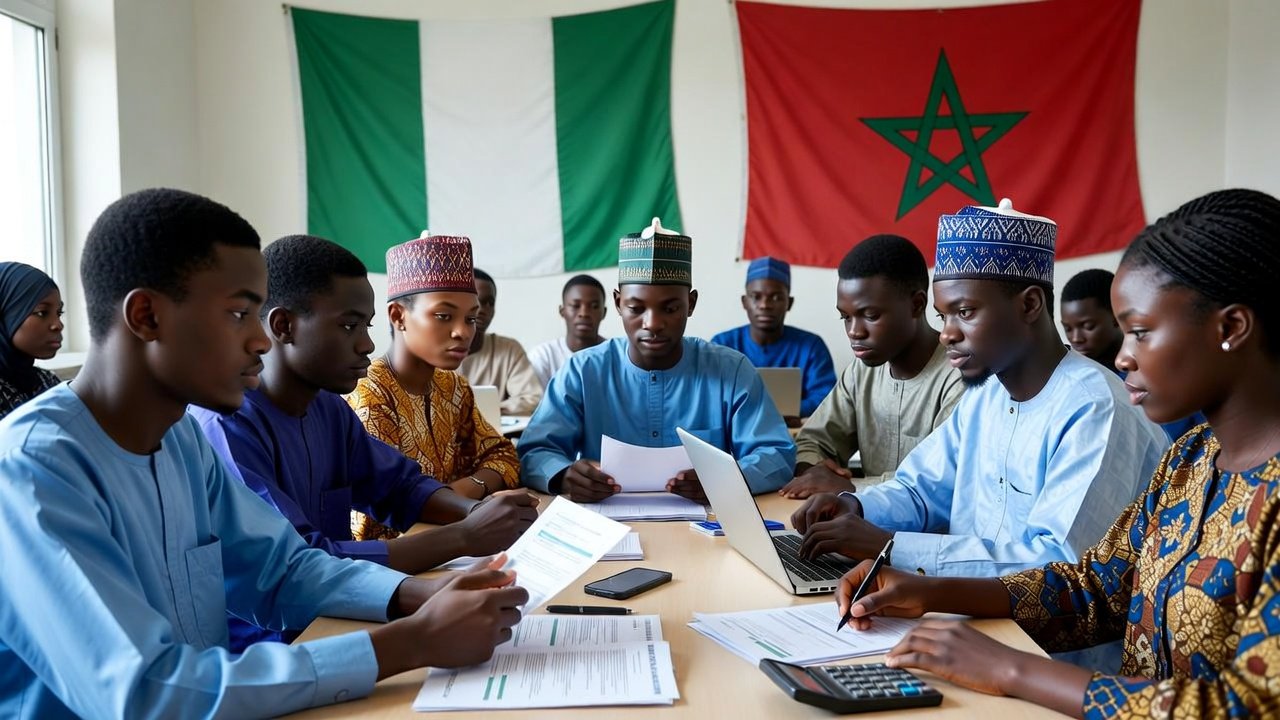
If you’re a Nigerian student sitting in Morocco right now — watching your bank account run dry, dodging your landlord’s calls, eating less than you should — this post is for you. The delays are real, the frustration is valid, and you’re not alone. But there are concrete steps you can take, and this guide will walk you through all of them.
What Is the Nigeria-Morocco Bilateral Scholarship, Really?
The Nigeria-Morocco scholarship falls under Nigeria’s Bilateral Education Agreement (BEA) programme, which is run by the Federal Scholarship Board (FSB) under the Federal Ministry of Education. The idea is straightforward: partner countries — Morocco included — cover tuition fees and accommodation, while Nigeria’s government pays a monthly living allowance to help students cover food, books, and daily expenses.
Morocco has been one of the BEA’s most popular destinations, particularly for undergraduate study in fields like medicine, engineering, agriculture, and languages. Students typically undergo a mandatory one-year French or Arabic language course before beginning their main programme — a condition that catches many applicants off-guard.
The scholarship isn’t handed out casually. Competition is fierce, and getting in has always required exceptional results: a minimum of seven distinctions (As and Bs) in WASSCE/WAEC for undergraduate applicants, or a First Class or Second Class Upper degree for postgraduate hopefuls. Age limits apply too — 17 to 20 years for undergraduate candidates, up to 35 for a Master’s, and 40 for a PhD. Anyone who tells you otherwise, or charges you money to “process” an application, is running a scam.
The Hard Truth About What Has Changed
Here’s where things get complicated — and where the original information floating around online gets a bit muddled.
In January 2026, Education Minister Dr. Maruf Tunji Alausa issued an official statement clarifying the government’s position. According to the ministry, all students enrolled in the BEA programme before 2024 received payments up to the 2024 budget cycle. Any remaining delays are tied to what officials describe as “fiscal constraints” — essentially, budget pressures being worked out between the Ministry of Education and the Ministry of Finance.
The minister also confirmed that no new bilateral scholarship awards have been issued since October 2025, and that documents circulating online claiming otherwise are fake. The decision to wind down government-funded overseas bilateral scholarships followed a policy review concluding that Nigerian universities now have sufficient capacity to deliver the same programmes locally. Going forward, only scholarships fully funded by the host country — with no financial obligation on Nigeria — will continue.
This doesn’t mean existing scholars have been abandoned. The government has committed to supporting students already enrolled until they complete their studies. Those who choose to return home can formally request reintegration into a Nigerian institution, with the government covering return travel costs.
Does that mean payments are flowing smoothly? Not quite. Students on the ground in Morocco report a very different reality — months without stipends, no clear communication from handlers, and growing desperation. The government’s position and the lived experience of students remain frustratingly far apart.
see also : SSU Students and NELFUND Refunds: What’s Actually Going On and How to Apply
How the Application Process Worked
Since no new BEA awards are being made at the time of writing, this section is for context — and for anyone watching closely in case the programme reopens. Past cycles followed this process:
Calls for applications were posted on the Federal Ministry of Education’s scholarship portal and the Federal Scholarship Board website. The process moved through several stages:
Stage 1 — Eligibility Check: Applicants needed to confirm they met all criteria. For undergraduates, that meant seven distinctions in WASSCE (2023 or 2024 results only, for non-African BEA countries), being between 17 and 20 years old, and having no criminal record. Postgraduate applicants needed a completed NYSC certificate and employer release documentation.
Stage 2 — Document Preparation: Required documents typically included WAEC/WASSCE certificates, birth certificate, medical fitness report, police clearance certificate, passport photographs, and a completed application form.
Stage 3 — Online Application: Candidates submitted applications through scholarship.education.gov.ng. Selecting “Morocco” as the destination country was available when slots were open.
Stage 4 — Screening and Interview: Shortlisted candidates were called for subject-based written tests and oral interviews. Selection was strictly merit-based.
Stage 5 — Notification and Pre-Departure: Successful candidates received award letters with stipend details, visa assistance from the ministry, and take-off grants.
The entire process was free of charge at every stage. No processing fee, no agent, no middleman.
If Your Payments Are Delayed: What to Actually Do
The most damaging thing you can do right now is wait silently. Here’s a practical approach based on how the system actually works:
Contact the Federal Scholarship Board directly. The FSB is your primary point of contact for stipend-related issues. Visit the FSB contact page and send a formal written complaint referencing your scholarship award letter, your matriculation number, and the specific payment periods outstanding. Keep every email you send and every response you receive.
Visit or write to the Nigerian Embassy in Rabat. The Nigerian Embassy is located at 70, Avenue Omar Ibn Al Khattab, Agdal, Rabat, and is accessible via the Ministry of Foreign Affairs website. The embassy acts as a liaison between students abroad and government ministries in Abuja. A physical visit carries more weight than an email — bring copies of your award letter, ID, and a written summary of your outstanding payments.
Write formally to both the Ministry of Education and the Ministry of Finance. Since the bottleneck is acknowledged to be between these two ministries, copying both in your correspondence isn’t just reasonable — it’s strategic. Keep the tone professional. State facts, not frustration.
Document everything meticulously. Save screenshots of bank records showing missed deposits, keep all official correspondence, and maintain a running log of every contact you make. This paper trail is essential if your case ever needs to be escalated.
Connect with other affected students carefully. Groups on X (Twitter) and WhatsApp have helped coordinate pressure campaigns that have gotten government attention before. Just be careful about the information you share publicly — verify facts before amplifying them, and avoid anything that could be used to discredit your individual case.
Explore the return option if you need to. If your situation has become genuinely unsustainable, the government has offered a pathway home. You can formally write to the Department of Scholarship Awards requesting reintegration into a Nigerian institution. Return travel costs are supposed to be covered. It’s not the outcome anyone wants, but it’s worth knowing it exists.
see also: NNPC/Seplat JV National Undergraduate Scholarship 2026: What You Need to Know Before You Apply
Staying Afloat While You Wait
None of this is easy, and the advice to “stay positive” that fills most posts on this topic can feel hollow when you haven’t eaten properly in weeks. So here’s more practical guidance:
If your institution has a student welfare office, use it. Many Moroccan universities have support structures for international students dealing with financial hardship — free meals, emergency loans, or counselling. You may also qualify for reduced-cost healthcare through university clinics.
Reach out to your professors and academic advisors about your situation. Many faculty members will be understanding about attendance or submission issues if they know what you’re going through. Don’t disappear or go quiet.
On the financial side, resist the temptation to engage anyone offering quick-payment solutions. Scams targeting scholarship students in payment-delay situations are common and have made bad situations significantly worse for a number of people.
If depression or anxiety is setting in — and it would for anyone in this situation — please speak to someone. Most universities have counselling services that are confidential and free. The Nigerian Embassy also has emergency consular assistance available in genuine welfare crises.
The Bigger Picture
The Nigeria-Morocco scholarship dispute sits within a broader pattern of Nigerian government promises running into fiscal reality. The official line is that no one has been abandoned, that payments are being resolved, and that the system is being reformed. Students in Morocco are living a more complicated truth.
What is clear is that the policy direction has shifted — overseas BEA scholarships are being wound down for courses available domestically, and the era of Nigeria sending students to Morocco on government-funded stipends is effectively ending. That doesn’t make the current suffering acceptable, but it does mean that waiting for a return to the old normal is probably not a realistic plan.
If you’re currently affected, the most powerful thing you can do is make noise through the right channels: formal written complaints to the FSB and the embassy, coordinated pressure from student groups, and media engagement where necessary. The 2025 parent protests showed that visible, organized pressure does get noticed.
For the latest updates on the programme, monitor the Federal Scholarship Board website and the Ministry of Education’s official portal. Don’t rely on WhatsApp forwards or unverified documents — the disinformation around this programme has complicated things for everyone.
Your scholarship was a genuine award, earned on merit. You have every right to pursue what you’re owed.
Official resources:
- Federal Scholarship Board: education.gov.ng/fsb
- FSB Scholarship Portal: scholarship.education.gov.ng
- Nigerian Embassy in Rabat: rabat.foreignaffairs.gov.ng
- Federal Ministry of Education: education.gov.ng